

It’s one of the oldest debates in business: whether to put your prices front and center, or tuck them discreetly behind a familiar “Contact us for pricing” button. The answer isn’t as straightforward as you might think, and it could make or break your conversion rates.
Set your pricing too high and you risk scaring people away. Set it too low and you may undermine your value, or your margins. But beyond what you charge lies an equally strategic question: should you share your prices publicly, or rather keep them hidden?
There’s no one-size-fits-all answer here, but understanding the pros and cons of each approach can help you choose the strategy that best fits your business, your audience, and your goals.
A case for transparency
Transparency builds trust. When visitors land on your website and can instantly see what you charge, it removes friction and uncertainty. Many buyers (especially modern, digitally savvy ones) appreciate not having to jump through hoops just to find out if you’re in their budget.
Public pricing also acts as an effective filter. People who can’t afford your service may self-select out early, saving you time and energy. Instead of spending hours on discovery calls with misaligned leads, you will instead attract prospects who already understand your price range and are more likely to convert.
Public pricing works especially well for:
- Productized services
- SaaS and digital products
- E-commerce and subscriptions
- Businesses with standardized offerings
The strategic silence
Here’s where it gets interesting. Some of the most successful businesses intentionally keep their pricing hidden, and they have solid reasons for doing so. Firstly, hidden pricing offers flexibility. If your services are customized, complex, or vary significantly by client, a single public price may be misleading or limiting. Keeping pricing private allows you to tailor quotes based on scope, timeline, and client needs.
Hidden pricing can also open the door to value-based selling. Instead of prospects making snap judgments based solely on numbers, you get the chance to demonstrate value first. Keeping pricing withheld essentially gives you more control over the conversation. You also gain the added utility to ask questions, understand their pain points, and position your solution before money enters the discussion. This consultative approach often leads to higher-value deals and better client relationships. In some industries, price opacity is simply the norm. Enterprise services, agencies, and B2B consulting often rely on conversations rather than price lists, because context matters.
Hidden pricing may make sense if:
- Every project is unique
- Your pricing depends heavily on client variables
- You sell premium or enterprise-level services
- You want tighter control over negotiations
Pricing is one of the most emotional decisions in business. It’s where confidence meets vulnerability, and where value perception collides with market reality.
A middle-ground approach
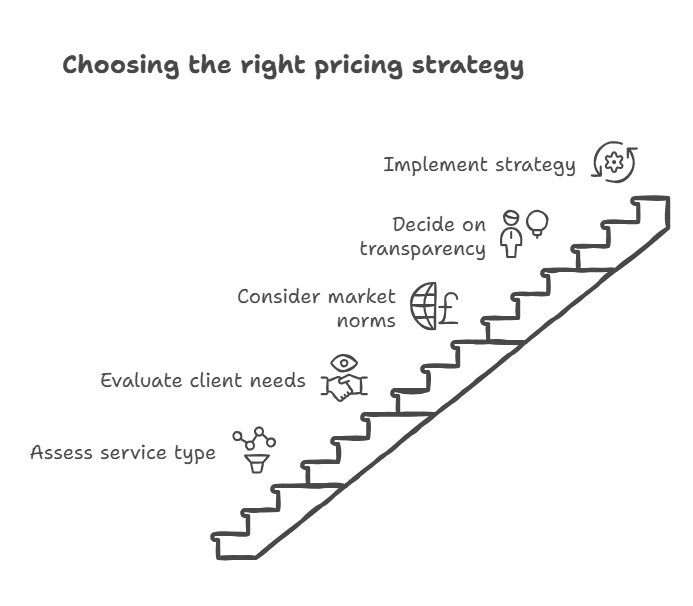
You don’t have to choose one or the other. Many businesses adopt a hybrid strategy: sharing starting prices, ranges, or packages while reserving final quotes for later conversations. This balances transparency with flexibility and sets expectations without locking you in. The right pricing visibility strategy depends on your audience, your offer, and how you sell. Ask yourself:
- Do my customers value speed and clarity?
- Is my offer standardized or customized?
- Do I want to pre-qualify leads or invite conversations?
Your pricing strategy is a brand statement in itself. Whether transparent or hidden, ensure it reinforces the narrative you’re building, and doesn’t contradict it.
So what’s the price?
The truth is, the right answer depends on your business model, target market, and sales process. Here’s a practical framework: if you sell standardized products or services with clear deliverables, lean toward transparency. If your solutions are highly customized or enterprise-level, hiding prices until you’ve qualified the lead makes more sense.
The key is being intentional about your choice. Don’t hide prices because you’re afraid of sticker shock, and don’t display them just because everyone else does. Choose the strategy that aligns with how you want to position your brand and the buying journey you want to create.